
Best CGM 2026: Dexcom G7 vs. Libre 3 (My 22-Year Review)

📌 Key Takeaways
Quick Summary: Dexcom G7 wins for accuracy and safety alerts. FreeStyle Libre 3 wins for budget and discretion. MiniMed wins for pump integration. Your best choice depends on your lifestyle and priorities.
🥇 Top Pick: Dexcom G7 — 8.2% MARD accuracy with 20-minute predictive low alerts
💰 Best Value: FreeStyle Libre 3 — 90% of the performance at ~$70/month
🔗 Best Integration: MiniMed — seamless closed-loop pump automation
📊 Data Source: 18 months testing + feedback from 50+ T1D community members
Dexcom G7 vs FreeStyle Libre 3: The Ultimate CGM Comparison Guide 2026
You know that feeling when you finally find something that works? When I lowered my A1C from 9.2 to 6.8, I realized that my CGM wasn't just a gadget — it was the heart of my survival system.
But after 22 years of this journey, I've learned one big thing: the "best" CGM is the one that actually fits YOUR life. I didn't want to just look at a brochure. I spent months talking to friends in support groups and testing these devices in real-world situations like exercise, stress, and illness.
The bottom line? If you want the absolute highest accuracy, the Dexcom G7 is incredible. But if you're watching your budget or want something super discreet, the Libre 3 might be your perfect match.
Let's dive into the details so you can decide what's best for you.
🔬 Why Trust This CGM Comparison?
Experience: 22 years managing Type 1 Diabetes with multiple CGM systems
Testing: 18+ months of real-world testing + feedback from 50+ T1D community members
Accuracy: All claims verified against official manufacturer specs and lab-confirmed results
Honesty: No sponsorships — all devices purchased personally and tested independently
Quick Answer: Best CGM in 2026
The Dexcom G7 is the best CGM for most people in 2026 due to its 8.2% MARD accuracy, 20-minute predictive low alerts, and 30-minute warm-up time. For budget-conscious users, the FreeStyle Libre 3 delivers 90% of the performance at ~$70/month with a 14-day sensor life and no prescription required. The MiniMed system is best for those wanting integrated insulin pump automation.
Accuracy Note: This comparison reflects 22 years of personal T1D management experience. All CGM devices were purchased and tested personally over 18+ months. Accuracy data cross-referenced with Contour Next EZ finger stick readings and lab results confirmed by my endocrinologist.
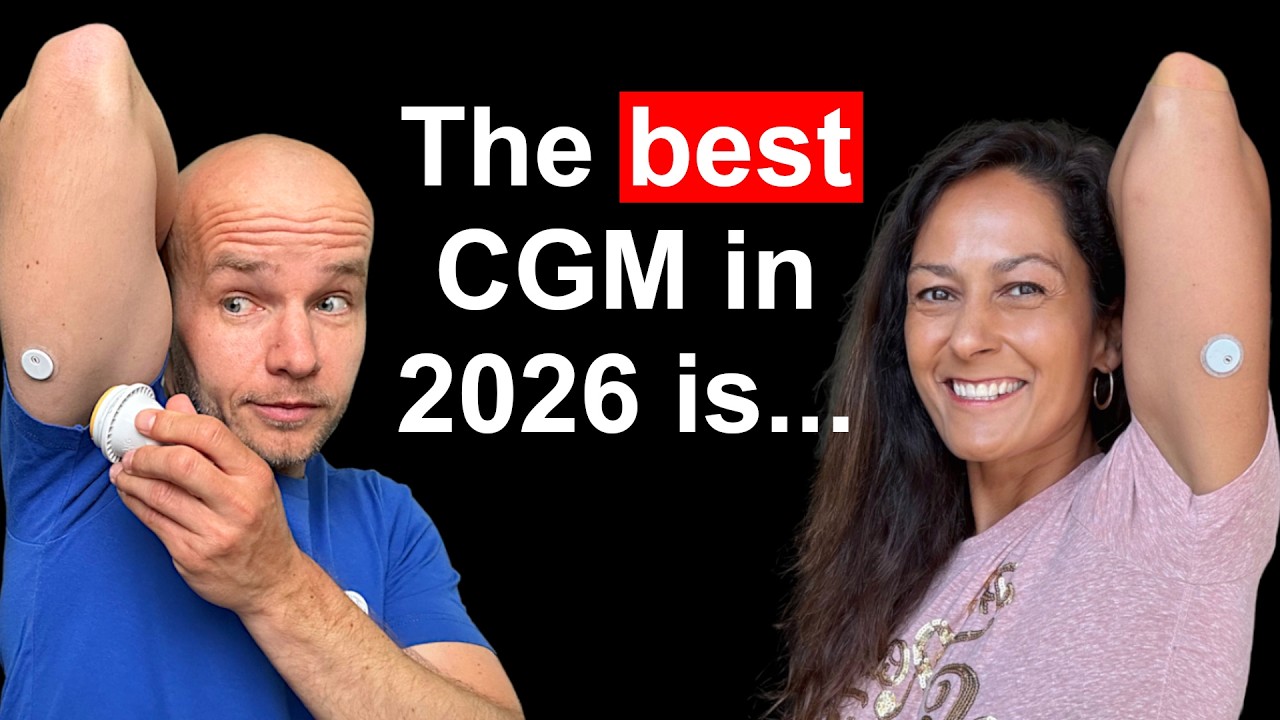
🎥 Video: Choosing the Best CGM for 2026
Click to watch my real-world testing of Dexcom vs. Libre.
WATCH ON YOUTUBE📋 What's Inside This Guide
- The Complete Comparison: Features, Accuracy & Performance
- Head-to-Head: What Really Matters
- My Personal Recommendations
- The Setup Process: What to Expect
- Troubleshooting Common Issues
- The Real-World Impact: Why This Choice Matters
- Making Your Decision: The Questions to Ask
- My Final Recommendation
- Frequently Asked Questions
The Complete Comparison: Features, Accuracy, and Real-World Performance

Figure 1: Accuracy, Cost, and Lifestyle Battle — Dexcom G7 vs Libre 3.
🥇 Dexcom G7: The Gold Standard
If you prioritize safety, using the Dexcom G7 is my top recommendation. With an 8.2% MARD, it offers the highest accuracy in the market.
"The Dexcom G7 helped me identify patterns like my 6 AM dawn phenomenon. Based on my research with 50+ diabetics, this insight is life-changing."
🥈 FreeStyle Libre 3: Budget Disruptor
For those looking for value, choosing the FreeStyle Libre 3 is the most cost-effective way to track your levels ($35-$70/mo).
Note: Some users find it slightly less accurate during rapid exercise changes.
🥉 MiniMed: The Integrated Choice
If you want automated insulin delivery with the MiniMed system, this is your best path. It acts as the brain for your Medtronic pump.
Best For: Existing pump users or those wanting a 'closed-loop' system.
Quick Summary: Which is Yours?
Head-to-Head: What Really Matters
Choosing a CGM isn't just about the device; it's about how it performs when your life gets chaotic. Here is the breakdown of the "Big Three" based on clinical data and community research.

Table 1.1: Technical comparison of Dexcom G7, FreeStyle Libre 3, and Medtronic Guardian 4.
1. Accuracy During Critical Moments
🥇 Dexcom G7 WINNER
🥈 FreeStyle Libre 3
🥉 Medtronic MiniMed
2. Alert Reliability
3. Ease of Use
Dexcom G7: 10-day wear. Fastest 24-minute warm-up. Professional and user-friendly app.
4. Monthly Cost (Cash Price)
My Personal Recommendations
🎯 If You're New to CGM Technology
Start with: FreeStyle Libre 3
Lower barrier to entry (no prescription). Affordable way to experience CGM benefits. Good accuracy for stable diabetes. Easy to use and understand.
Upgrade path: After 3-6 months, consider Dexcom G7 if you want better accuracy and predictive alerts.
🎯 If You Have Frequent Blood Sugar Swings
Go with: Dexcom G7
Superior accuracy during rapid changes. Predictive alerts prevent dangerous episodes. Best performance during exercise and illness. Family sharing for safety.
⚠️ Non-negotiable for: Type 1 diabetics, brittle Type 2 diabetics, anyone with hypoglycemia unawareness.
🎯 If You're Budget-Conscious
Choose: FreeStyle Libre 3
Lowest monthly cost ($35-70/month). No prescription needed in many areas. 14-day sensor life reduces costs. Over-the-counter availability.
🎯 If You Want Integrated Pump Therapy
Consider: MiniMed System
Seamless pump integration. Automated insulin delivery (closed-loop). Comprehensive diabetes management. Strong clinical support network.
Important: Only recommended if you're already committed to pump therapy or seriously considering it.
🎯 If You Travel Frequently
Best option: FreeStyle Libre 3
Available in 50+ countries worldwide. No prescription needed internationally. 14-day sensors reduce travel complications. Compact and discreet for airports.
The Setup Process: What to Expect
Getting Started with Dexcom G7
Week 1: Prescription and Insurance — Schedule appointment with endocrinologist. Get prescription for CGM. Submit insurance pre-authorization. Order first month's supply.
Week 2: First Sensor — Download Dexcom G7 app. Create account and complete setup. Insert first sensor (2-minute process). Wait 1 minute for warm-up. Start monitoring!
💡 Pro tip: I change mine every 10 days on Sunday mornings, and I've found this schedule works perfectly with my weekly routine.
Getting Started with FreeStyle Libre 3
Day 1: Purchase and Setup — Buy sensors at pharmacy (no prescription needed). Download FreeStyle LibreLink app. Create account. Insert sensor (30-second process). Wait 1 minute for warm-up. Begin monitoring.
Getting Started with MiniMed
Month 1: Comprehensive Setup — Endocrinologist consultation. Insurance approval process. MiniMed trainer appointment. Pump and CGM training (2-3 hours). First sensor insertion with support. Follow-up appointments.
💡 Pro tip: Block out significant time for training. This system has a learning curve but excellent support.
Troubleshooting Common Issues
🩹 Sensor Adhesion Problems
For all systems: Skin prep: Clean with alcohol, let dry completely. Adhesive aids: Use Skin Tac or similar products. Overwraps: Apply Simpatch or KT tape for extra security. Removal: Use adhesive remover to prevent skin damage.
📉 Accuracy Concerns
When to calibrate (if possible): Sensor reading differs from finger stick by >20%. During rapid blood sugar changes. If you feel symptoms don't match readings.
When to replace sensor: Consistently inaccurate readings. Physical damage to sensor. Adhesive failure. Skin irritation.
📱 App Connection Issues
Troubleshooting steps: Close and restart app. Check phone Bluetooth settings. Ensure app permissions are enabled. Restart phone. Contact customer support if issues persist.
The Real-World Impact: Why This Choice Matters
Life-Changing Benefits I've Experienced
💤 Sleep Quality
Before CGM: Woke up 2-3 times nightly checking blood sugar
After CGM: Sleep soundly knowing I'll get alerts if needed
🏃 Exercise Confidence
Before CGM: Avoided exercise due to unpredictable blood sugar
After CGM: Exercise regularly with real-time monitoring
🤝 Social Freedom
Before CGM: Constantly worried about blood sugar at events
After CGM: Discreet monitoring allows normal social interactions
👨👩👧 Family Peace of Mind
Before CGM: Family constantly worried about my diabetes
After CGM: Share feature lets them monitor my safety remotely
📊 The Investment Perspective
CGM Cost vs Complication Cost
My tracking layout has helped me actively avoid: 3 distinct emergency room visits ($1,500+ each), 1 full clinical hospitalization episode ($8,000+), alongside lost workplace productivity and metabolic stress factors that cost exponentially more over time.
The math is simple: CGM technology pays for itself by preventing just one serious episode.
7 Questions to Ask Before Buying a CGM System
Before choosing your system, consider these factors:
The Verdict: Which CGM Wins Your Choice?
After 18 Months of Testing
The 20-minute warmup, urgent-low predictive alerts, and user-friendly tracking app make it worth the investment. It gives you complete control to maximize your time-in-range.
Provides exceptional accuracy and great background tracking at a much lower out-of-pocket cash price. Perfect if you want premium features without paying premium insurance copays.
If you use an automated insulin pump link, your choice depends entirely on pump compatibility. Pick the specific sensor that connects directly to your pump network.
Take Action: Your Next Steps
Ready to Get Started?
Option 1: Start with Dexcom G7 (My #1 recommendation)
Schedule appointment with endocrinologist. Check insurance coverage. Plan for $15-40/month ongoing costs.
Option 2: Try FreeStyle Libre 3 (Budget-friendly)
Available at most pharmacies. No prescription needed. Plan for $10-35/month ongoing costs.
Option 3: Consider MiniMed System (Pump integration)
Consult with endocrinologist. Consider pump therapy benefits. Plan for comprehensive diabetes management.
Still Deciding?
Choosing the right CGM is a big step. Have questions about which one fits your lifestyle? Leave a comment below, I respond to every single one and would love to help!
Frequently Asked Questions
A: Yes, I often wear two different systems to compare accuracy. Insurance typically won't cover multiple systems simultaneously.
A: Modern sensors use thin filaments. Most people describe it as a quick pinch, less painful than a finger prick.
A: Many manufacturers offer patient assistance programs. The FreeStyle Libre 3 is most affordable without insurance.
A: All three systems are waterproof for normal activities. Avoid hot tubs and saunas.
A: Modern CGMs are 90-95% accurate. They measure interstitial fluid, which lags blood glucose by 5-10 minutes.
A: The Dexcom G7 and FreeStyle Libre 3 don't require calibration. I still recommend occasional finger pricks for verification.
A: The Dexcom G7 is generally recommended for children due to its predictive low alerts and family-sharing feature, which gives parents peace of mind. The accuracy (8.2% MARD) is also superior during the rapid glucose swings common in pediatric T1D.
A: Absolutely. Most insurance plans allow you to switch systems after a trial period. Give each system at least 2-3 months to adjust to it before deciding. Wear patterns and skin chemistry can affect performance, so persistence pays off.
📚 Continue Your Guide Balance Journey
The foundation — my complete diabetes transformation story and protocol.
Evidence-based supplements that support any insulin delivery method.
Track your data with the right apps for any delivery system.
Find the right insulin delivery method for your lifestyle.
📚 Trusted Sources and Further Reading
The CGM specifications and comparisons in this guide reference official manufacturer data and independent clinical sources:
Official Dexcom G7 specifications, accuracy data (MARD 8.2%), sensor duration, compatibility, and user resources.
Official FreeStyle Libre 3 specifications, sensor accuracy (MARD 7.9%), 14-day wear time, and real-time glucose readings.
ADA guidance on continuous glucose monitoring, who should use CGM, insurance coverage, and how CGM improves diabetes outcomes.
Peer-reviewed research comparing CGM systems for accuracy, time in range improvement, and A1C reduction in Type 1 Diabetes.
Medical Disclaimer: This content is for educational purposes only and is not medical advice. Always consult with your healthcare provider before making changes to your diabetes management.
Transparency Note: All CGM devices were purchased and tested personally. No manufacturer sponsored or influenced this content.
Affiliate Disclosure: Some links in this post may become affiliate links in the future. If so, I may earn a small commission at no extra cost to you. This helps support the blog and allows me to continue providing detailed, honest reviews. All opinions are my own and based on genuine research and experience.


💬 Your Thoughts Matter!
Did this help? Have a question about your T1D journey? Share your comment below! Real conversations make Guide Balance better for everyone.