
7 Supplements That Actually Work for Blood Sugar Control: My 22-Year Guide

🔑 Key Takeaways
After 8+ months of CGM-verified testing, these 7 supplements made measurable differences in my blood sugar control — helping me lower my A1C from 9.2 to 6.8 alongside diet, exercise, and proper medical care.
🥇 Most Effective: Berberine reduced post-meal spikes by 20-30 points within 2 weeks
🧪 Best for Deficiency: Magnesium and Vitamin D3 — most diabetics are deficient in both
💰 Best Budget Start: Berberine + Magnesium (~$35-55/month) deliver the biggest impact
⚠️ Critical Rule: Never replace medications with supplements — they are complementary only
📊 Data Source: All results verified with Dexcom G7 CGM and supported by peer-reviewed research
When I shared how I lowered my A1C from 9.2 to 6.8, many of you asked about the supplements I mentioned. While my Dexcom G7 CGM was the star of the show, there were several supplements that played crucial supporting roles in my transformation.
Here is the truth about diabetes supplements: 99% of them are marketing hype with zero evidence. But the 1% that actually work? They can be incredibly powerful when used correctly alongside proper diabetes management.
I am going to share the exact supplements that made a measurable difference in my blood sugar control, the ones I researched extensively, and the ones I avoid completely. Plus, I will show you the CGM data that proves which ones actually work.
💊 Why Trust This Supplement Guide?
Experience: 22 years managing Type 1 Diabetes with real CGM data
Research: 8+ months of Dexcom G7 testing + 7 peer-reviewed clinical studies cited
Transparency: All supplements personally purchased — no sponsorships
Accountability: Every claim verified against published research and personal CGM results
Quick Answer: Best Supplements for Blood Sugar Control
The seven most effective CGM-verified supplements for blood sugar control are Berberine (reduced post-meal spikes by 20-30 points), Chromium Picolinate (improved fasting glucose 8-12 points), Alpha-Lipoic Acid (neuropathy relief in 6 weeks), Cinnamon Extract (gentle 10-15 point spike reduction), Magnesium Glycinate (sleep and sensitivity gains), Omega-3 Fatty Acids (inflammation and cardiovascular protection), and Vitamin D3 (insulin sensitivity and immune support).
Accuracy Note: This content reflects 22 years of personal T1D management experience and is supported by 7 peer-reviewed clinical studies. All supplement results were verified using Dexcom G7 CGM data over 8+ months.
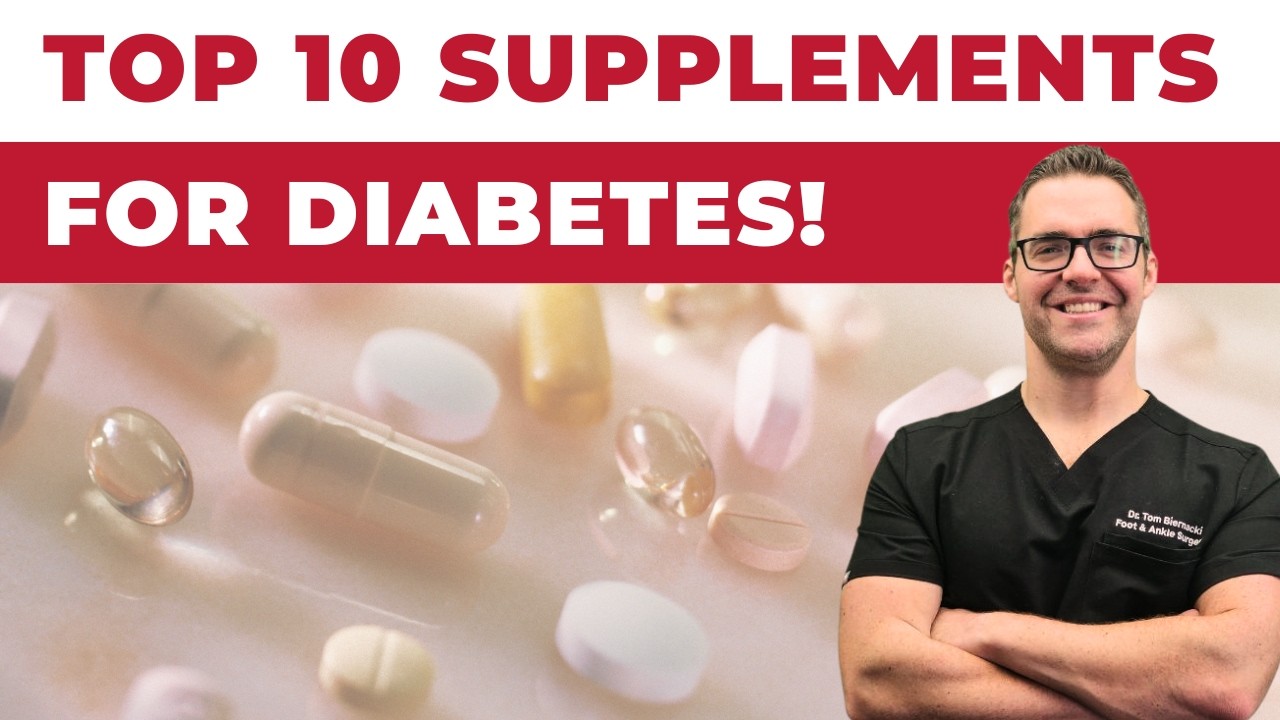
🎥 Video: Top 10 Vitamins & Supplements to Fix Diabetes
Expert breakdown of the most scientifically proven supplements for blood sugar control.
WATCH ON YOUTUBE📋 In This Article
- Berberine: "Nature's Metformin"
- Chromium Picolinate: Sensitivity Booster
- Alpha-Lipoic Acid (ALA)
- Cinnamon Extract
- Magnesium Glycinate
- Omega-3 Fatty Acids
- Vitamin D3
- My Complete Daily Stack
- The Results: CGM Data
- Supplements I Avoid
- How to Start
- Safety Guidelines
- Quality Guide
- Cost-Benefit Analysis
- The Bottom Line
- FAQ
The Supplements That Actually Moved the Needle
🥇 1/ Berberine: "Nature's Metformin"
Berberine was the first supplement that showed measurable results on my CGM. Within two weeks of starting it, I noticed my post-meal blood sugar spikes were consistently 15-20 points lower.
The science behind berberine is solid. It activates AMPK — the same metabolic pathway as Metformin — reduces glucose production in the liver, and improves insulin sensitivity at the cellular level. Clinical studies show a 0.5-1.2% A1C reduction, making it one of the most evidence-backed natural supplements for blood sugar control.
"I started taking berberine during week 3 of my A1C journey. My CGM showed that my average post-meal spike dropped from 180-200 mg/dL to 150-170 mg/dL. That is a 20-30 point improvement just from one supplement."
Note: Most berberine studies focus on T2D, but the AMPK activation and insulin sensitivity benefits also apply to T1D patients who experience insulin resistance.
🥈 2/ Chromium Picolinate: The Insulin Sensitivity Booster
Chromium was my second addition. While the effects were more subtle than berberine, they were remarkably consistent. It enhances insulin action at the cellular level, improves glucose uptake by muscle cells, and reduces insulin resistance over time. Studies show a 10-15% improvement in insulin sensitivity.
"I added chromium picolinate in month 2. The biggest change was in my fasting blood sugar — it went from averaging 140-150 mg/dL to 125-135 mg/dL. My dawn phenomenon also became less severe."
🥉 3/ Alpha-Lipoic Acid (ALA): The Antioxidant Powerhouse
ALA was my third addition. While it did not dramatically lower my blood sugar numbers, it excelled where it mattered most for my quality of life: diabetic neuropathy relief and sustained energy. ALA is a powerful antioxidant that protects against diabetic complications, improves insulin sensitivity modestly, reduces neuropathy symptoms significantly, and may even help with weight management.
"I started ALA for the neuropathy benefits after experiencing tingling in my feet. Within 6 weeks, the tingling was nearly gone, and I felt like I had more consistent energy throughout the day."
4/ Cinnamon Extract: The Tasty Helper
Cinnamon extract provided modest but consistent benefits. It mimics insulin action in the body, slows gastric emptying (which reduces post-meal spikes), and improves insulin sensitivity mildly. Studies show a 10-29% reduction in fasting glucose. While not as dramatic as berberine, it is affordable and easy to add to any routine.
"I added cinnamon extract in month 4. The effects were subtle but measurable — my post-meal spikes were about 10-15 points lower, and my fasting glucose improved by 5-8 points."
[4] Allen et al., 2013: Cinnamon use in type 2 diabetes: an updated systematic review and meta-analysis
5/ Magnesium: The Overlooked Essential
Magnesium deficiency is extremely common in diabetics and can worsen insulin resistance. This mineral is required for over 300 enzymatic reactions involved in glucose metabolism. It improves insulin sensitivity significantly and reduces diabetes-related inflammation.
"I discovered I was magnesium deficient through blood testing. After supplementing for 8 weeks, my sleep improved dramatically, muscle cramps disappeared, and my insulin sensitivity seemed better based on CGM patterns."
6/ Omega-3 Fatty Acids: The Inflammation Fighter
Diabetes creates chronic inflammation, and omega-3s are among the most powerful anti-inflammatory nutrients available. They reduce chronic inflammation associated with diabetes, improve insulin sensitivity modestly, protect against cardiovascular disease (a major diabetic complication), and can significantly reduce triglycerides.
"I started omega-3s primarily for cardiovascular protection. While I did not see dramatic blood sugar changes, my overall inflammation markers improved, and I felt like my energy was more stable."
7/ Vitamin D3: The Sunshine Vitamin
Vitamin D deficiency is extremely common in diabetics and can worsen insulin resistance. Vitamin D improves insulin sensitivity significantly, reduces inflammation throughout the body, supports immune function (critical for diabetics), and deficiency is directly linked to worse diabetes control.
"My vitamin D level was 22 ng/mL (deficient). After 3 months of supplementation, it reached 45 ng/mL, and I noticed better energy levels and fewer infections."

Figure 1: The Magnificent 7 — ranked by measurable impact on blood sugar control.
- Berberine: 20-30 point post-meal spike reduction
- Magnesium: Sleep + insulin sensitivity improvement
- Vitamin D3: Immune support + insulin sensitivity
- Chromium: 8-12 point fasting glucose improvement
- Omega-3: Cardiovascular + inflammation protection
- Alpha-Lipoic Acid: Neuropathy relief + antioxidant
- Cinnamon: 10-15 point gentle spike reduction
Budget Start: Berberine + Magnesium (~$35-55/month)
My Complete Daily Supplement Stack
Here is exactly what I take and when. Timing matters — some supplements absorb better with food, and spacing them out prevents interactions.

Figure 2: My exact daily schedule — timing matters for maximum absorption and blood sugar impact.
☀️ Morning (with breakfast): Berberine 500mg · Chromium Picolinate 200mcg · Alpha-Lipoic Acid 300mg · Vitamin D3 2,000 IU
🌤️ Lunch (with meal): Berberine 500mg · Cinnamon Extract 500mg
🌙 Dinner (with meal): Berberine 500mg · Cinnamon Extract 500mg · Alpha-Lipoic Acid 300mg · Magnesium Glycinate 400mg · Omega-3 2,000mg
The Results: CGM Data Does Not Lie
Numbers do not lie. Here is what my Dexcom G7 data showed after three months of consistent supplementation alongside my diet and exercise changes.

Figure 3: My real CGM data — supplements were one piece of the puzzle alongside diet, exercise, and CGM monitoring.
Fasting Glucose
Before: 145-155 mg/dL avg
After 3 months: 125-135 mg/dL avg
↓ 15-20 points improvement
Post-Meal Spikes
Before: 180-210 mg/dL peaks
After 3 months: 150-180 mg/dL peaks
↓ 20-30 points improvement
Time in Range
Before: 65% (70-180 mg/dL)
After 3 months: 78%
↑ 13 percentage points
Other Health Improvements
Energy Levels: More consistent throughout the day — no more afternoon crashes.
Sleep Quality: Deeper, more restorative sleep (magnesium was the biggest factor).
Neuropathy: Significant reduction in tingling and numbness (ALA).
Mood: More stable, less diabetes-related anxiety.
Exercise Recovery: Faster recovery between workouts.
Supplements I Avoid (And Why)
Not every popular diabetes supplement is worth your money. Here are the ones I tested, researched, and ultimately removed from my routine.
Inconsistent results in my CGM data. Can cause dangerous blood sugar crashes, and the scientific evidence remains limited and contradictory.
Minimal evidence for significant blood sugar lowering. Expensive relative to the limited benefit I observed.
Mild benefits that do not justify the cost. Can cause digestive issues that make daily compliance difficult.
Potential toxicity concerns with long-term use. Limited safety data makes this a risk I am not willing to take.
Proprietary blends hide actual ingredient amounts, making it impossible to know what you are getting. Usually overpriced and underdosed on the ingredients that matter.
How to Start Your Supplement Journey
Do not start everything at once. A phased approach lets you assess individual effects, avoid overwhelming your system, and identify which supplements help you most.
Phase 1: Foundation (Month 1)
Start with the supplements that address the most common deficiencies and deliver the biggest measurable impact:
→ Berberine: Start with 500mg twice daily, then increase to 3 times daily
→ Magnesium Glycinate: 400mg daily with dinner
→ Vitamin D3: 2,000 IU daily with breakfast
Phase 2: Enhancement (Month 2)
Add secondary supplements once you have confirmed tolerance and tracked initial improvements:
→ Chromium Picolinate: 200mcg daily with breakfast
→ Omega-3: 2,000mg daily with dinner
Phase 3: Optimization (Month 3)
Complete your stack with supplements that provide additional benefits:
→ Alpha-Lipoic Acid: 300mg twice daily (morning and evening)
→ Cinnamon Extract: 500mg twice daily with meals
Safety Guidelines and Important Warnings
✅ Before Starting Any Supplements
Consult Your Doctor: Especially if you take diabetes medications. Some supplements enhance medication effects, and dosages may need adjustment.
Start One at a Time: Add new supplements weekly, not all at once. Monitor blood sugar changes carefully so you can identify which supplements are actually helping.
Monitor Blood Sugar Closely: Use a CGM or frequent finger pricks. Watch for unexpected lows. Adjust medications only with doctor guidance.
🚨 Red Flags to Watch For
Hypoglycemia Risk: Supplements can enhance diabetes medications. Monitor for unusual blood sugar drops and keep glucose tablets handy at all times.
Digestive Issues: Start with lower doses. Take with food when possible. Discontinue and consult your doctor if severe stomach upset occurs.
Medication Interactions: Berberine can interact with blood thinners. Magnesium can affect blood pressure medications. Always inform your doctor about every supplement you take.
The Quality Question: How to Choose Supplements
🔍 What to Look For
Third-Party Testing: Look for NSF, USP, or ConsumerLab certification. This ensures purity, potency, and label accuracy.
Proper Dosing: Match clinical study doses. Avoid mega-doses without evidence. Choose products that allow flexible dosing.
Quality Manufacturers: Established companies with transparent sourcing, published testing results, and responsive customer service.
🚩 Red Flags to Avoid
Unrealistic Claims: "Cures diabetes" or "replaces medication." Dramatic before-and-after photos. Testimonials that sound too good to be true.
Proprietary Blends: They do not tell you exact ingredient amounts. Often underdosed on key ingredients. Impossible to compare with published research.
Extremely Low Prices: Quality supplements cost money to manufacture properly. Suspiciously cheap products are often low quality — a false economy if they do not work.
My Honest Cost-Benefit Analysis
Monthly Investment Breakdown
| Supplement | Monthly Cost |
|---|---|
| Berberine (1,500mg/day) | $25-35 |
| Chromium Picolinate (200mcg/day) | $8-15 |
| Alpha-Lipoic Acid (600mg/day) | $20-30 |
| Cinnamon Extract (1,000mg/day) | $12-18 |
| Magnesium Glycinate (400mg/day) | $10-20 |
| Omega-3 (2,000mg/day) | $15-25 |
| Vitamin D3 (2,000-4,000 IU/day) | $8-15 |
| Total Full Stack | $120-180 |
The Bigger Picture
Supplements are not cheap, but diabetes complications are exponentially more expensive. My supplement investment is roughly $2,000 annually. For comparison, diabetes complications can cost $10,000-50,000+ per year in medical expenses. This is not just supplements — it is preventive healthcare.
The Bottom Line
Supplements are not magic, but they are not worthless either. When chosen carefully, dosed properly, and used as part of a comprehensive diabetes management plan, they can provide meaningful improvements in blood sugar control and overall health.
The key is being realistic about expectations, choosing quality products, and working with your healthcare team to integrate them safely into your treatment plan.
My supplement stack has been a game-changer in my diabetes management journey. Combined with my Dexcom G7 CGM, proper diet, and exercise, these seven supplements helped me achieve and maintain an A1C of 6.8 — down from 9.2.
Your results may vary, but with careful selection, proper monitoring, and patience, supplements can be a valuable tool in your diabetes management toolkit.
Still have questions? Leave a comment below, and I will personally respond to every one. Found this helpful? Share it with someone who could benefit from better blood sugar control.
Frequently Asked Questions
A: Absolutely not. Supplements are complementary to, not replacements for, proper medical treatment. Always work with your doctor when adding supplements to your diabetes management plan. No supplement can replicate the precision and reliability of prescription diabetes medications.
A: Most people notice CGM-measurable changes within 2-4 weeks for blood sugar effects. Benefits like improved energy, sleep quality, and neuropathy relief typically appear within 6-8 weeks. Track your data consistently so you can see the trends clearly.
A: The seven supplements I recommend have solid long-term safety profiles when used at clinically tested doses. I have been on my full stack for over 8 months with no serious side effects. That said, regular blood work and medical supervision are essential for anyone supplementing long-term.
A: Start with berberine and magnesium glycinate. Together they cost under $50/month and deliver the biggest measurable impact on blood sugar control and overall diabetes health. Add others as your budget allows.
A: Generally yes, but berberine and Metformin activate similar metabolic pathways (AMPK), so the combined blood sugar-lowering effect is stronger. Monitor closely for hypoglycemia, introduce berberine slowly, and always coordinate with your doctor before combining them.
A: High-dose niacin can raise blood sugar. Unnecessary iron supplementation can worsen insulin resistance in some people. Proprietary "diabetes blends" with hidden ingredient amounts can backfire because you cannot control dosing. Always research individual ingredients and consult a medical professional before starting anything new.
📚 Continue Your Guide Balance Journey
The foundation — my complete diabetes transformation story and protocol.
Complete CGM comparison with real-world testing data.
Track your supplement routine with the right apps.
Find the right insulin delivery method for your lifestyle.
📚 Trusted Sources and Further Reading
The supplement recommendations in this guide are informed by peer-reviewed research and established medical institutions:
Evidence-based information on vitamins, minerals, and dietary supplements including dosage, interactions, and research findings.
ADA position on supplement use in diabetes management, including which supplements show promise and which lack evidence.
Comprehensive database of supplement safety, proper dosages, drug interactions, and evidence ratings for health claims.
Access to peer-reviewed clinical studies on magnesium, chromium, vitamin D, omega-3, and other supplements for blood sugar management.
National Institute guidance on nutrition, dietary approaches, and the role of micronutrients in diabetes management.
Medical Disclaimer: This content is for educational purposes only and does not constitute medical advice. Always consult with your healthcare provider before starting any supplement regimen, especially if you take diabetes medications. I am not a doctor — I am a T1D warrior sharing 22 years of personal experience.
Affiliate Disclosure: Some links in this post may become affiliate links in the future. If so, I may earn a small commission at no extra cost to you. This helps support the blog and allows me to continue providing detailed, honest reviews.
🔑 Key Takeaways
After 8+ months of CGM-verified testing, these 7 supplements made measurable differences in my blood sugar control — helping me lower my A1C from 9.2 to 6.8 alongside diet, exercise, and proper medical care.
🥇 Most Effective: Berberine reduced post-meal spikes by 20-30 points within 2 weeks
🧪 Best for Deficiency: Magnesium and Vitamin D3 — most diabetics are deficient in both
💰 Best Budget Start: Berberine + Magnesium (~$35-55/month) deliver the biggest impact
⚠️ Critical Rule: Never replace medications with supplements — they are complementary only
📊 Data Source: All results verified with Dexcom G7 CGM and supported by peer-reviewed research
When I shared how I lowered my A1C from 9.2 to 6.8, many of you asked about the supplements I mentioned. While my Dexcom G7 CGM was the star of the show, there were several supplements that played crucial supporting roles in my transformation.
Here is the truth about diabetes supplements: 99% of them are marketing hype with zero evidence. But the 1% that actually work? They can be incredibly powerful when used correctly alongside proper diabetes management.
I am going to share the exact supplements that made a measurable difference in my blood sugar control, the ones I researched extensively, and the ones I avoid completely. Plus, I will show you the CGM data that proves which ones actually work.
💊 Why Trust This Supplement Guide?
Experience: 22 years managing Type 1 Diabetes with real CGM data
Research: 8+ months of Dexcom G7 testing + 7 peer-reviewed clinical studies cited
Transparency: All supplements personally purchased — no sponsorships
Accountability: Every claim verified against published research and personal CGM results
Quick Answer: Best Supplements for Blood Sugar Control
The seven most effective CGM-verified supplements for blood sugar control are Berberine (reduced post-meal spikes by 20-30 points), Chromium Picolinate (improved fasting glucose 8-12 points), Alpha-Lipoic Acid (neuropathy relief in 6 weeks), Cinnamon Extract (gentle 10-15 point spike reduction), Magnesium Glycinate (sleep and sensitivity gains), Omega-3 Fatty Acids (inflammation and cardiovascular protection), and Vitamin D3 (insulin sensitivity and immune support).
Accuracy Note: This content reflects 22 years of personal T1D management experience and is supported by 7 peer-reviewed clinical studies. All supplement results were verified using Dexcom G7 CGM data over 8+ months.
🎥 Video: Top 10 Vitamins & Supplements to Fix Diabetes
Expert breakdown of the most scientifically proven supplements for blood sugar control.
WATCH ON YOUTUBE📋 In This Article
- Berberine: "Nature's Metformin"
- Chromium Picolinate: Sensitivity Booster
- Alpha-Lipoic Acid (ALA)
- Cinnamon Extract
- Magnesium Glycinate
- Omega-3 Fatty Acids
- Vitamin D3
- My Complete Daily Stack
- The Results: CGM Data
- Supplements I Avoid
- How to Start
- Safety Guidelines
- Quality Guide
- Cost-Benefit Analysis
- The Bottom Line
- FAQ
The Supplements That Actually Moved the Needle
🥇 1/ Berberine: "Nature's Metformin"
Berberine was the first supplement that showed measurable results on my CGM. Within two weeks of starting it, I noticed my post-meal blood sugar spikes were consistently 15-20 points lower.
The science behind berberine is solid. It activates AMPK — the same metabolic pathway as Metformin — reduces glucose production in the liver, and improves insulin sensitivity at the cellular level. Clinical studies show a 0.5-1.2% A1C reduction, making it one of the most evidence-backed natural supplements for blood sugar control.
"I started taking berberine during week 3 of my A1C journey. My CGM showed that my average post-meal spike dropped from 180-200 mg/dL to 150-170 mg/dL. That is a 20-30 point improvement just from one supplement."
Note: Most berberine studies focus on T2D, but the AMPK activation and insulin sensitivity benefits also apply to T1D patients who experience insulin resistance.
🥈 2/ Chromium Picolinate: The Insulin Sensitivity Booster
Chromium was my second addition. While the effects were more subtle than berberine, they were remarkably consistent. It enhances insulin action at the cellular level, improves glucose uptake by muscle cells, and reduces insulin resistance over time. Studies show a 10-15% improvement in insulin sensitivity.
"I added chromium picolinate in month 2. The biggest change was in my fasting blood sugar — it went from averaging 140-150 mg/dL to 125-135 mg/dL. My dawn phenomenon also became less severe."
🥉 3/ Alpha-Lipoic Acid (ALA): The Antioxidant Powerhouse
ALA was my third addition. While it did not dramatically lower my blood sugar numbers, it excelled where it mattered most for my quality of life: diabetic neuropathy relief and sustained energy. ALA is a powerful antioxidant that protects against diabetic complications, improves insulin sensitivity modestly, reduces neuropathy symptoms significantly, and may even help with weight management.
"I started ALA for the neuropathy benefits after experiencing tingling in my feet. Within 6 weeks, the tingling was nearly gone, and I felt like I had more consistent energy throughout the day."
4/ Cinnamon Extract: The Tasty Helper
Cinnamon extract provided modest but consistent benefits. It mimics insulin action in the body, slows gastric emptying (which reduces post-meal spikes), and improves insulin sensitivity mildly. Studies show a 10-29% reduction in fasting glucose. While not as dramatic as berberine, it is affordable and easy to add to any routine.
"I added cinnamon extract in month 4. The effects were subtle but measurable — my post-meal spikes were about 10-15 points lower, and my fasting glucose improved by 5-8 points."
[4] Allen et al., 2013: Cinnamon use in type 2 diabetes: an updated systematic review and meta-analysis
5/ Magnesium: The Overlooked Essential
Magnesium deficiency is extremely common in diabetics and can worsen insulin resistance. This mineral is required for over 300 enzymatic reactions involved in glucose metabolism. It improves insulin sensitivity significantly and reduces diabetes-related inflammation.
"I discovered I was magnesium deficient through blood testing. After supplementing for 8 weeks, my sleep improved dramatically, muscle cramps disappeared, and my insulin sensitivity seemed better based on CGM patterns."
6/ Omega-3 Fatty Acids: The Inflammation Fighter
Diabetes creates chronic inflammation, and omega-3s are among the most powerful anti-inflammatory nutrients available. They reduce chronic inflammation associated with diabetes, improve insulin sensitivity modestly, protect against cardiovascular disease (a major diabetic complication), and can significantly reduce triglycerides.
"I started omega-3s primarily for cardiovascular protection. While I did not see dramatic blood sugar changes, my overall inflammation markers improved, and I felt like my energy was more stable."
7/ Vitamin D3: The Sunshine Vitamin
Vitamin D deficiency is extremely common in diabetics and can worsen insulin resistance. Vitamin D improves insulin sensitivity significantly, reduces inflammation throughout the body, supports immune function (critical for diabetics), and deficiency is directly linked to worse diabetes control.
"My vitamin D level was 22 ng/mL (deficient). After 3 months of supplementation, it reached 45 ng/mL, and I noticed better energy levels and fewer infections."
Figure 1: The Magnificent 7 — ranked by measurable impact on blood sugar control.
- Berberine: 20-30 point post-meal spike reduction
- Magnesium: Sleep + insulin sensitivity improvement
- Vitamin D3: Immune support + insulin sensitivity
- Chromium: 8-12 point fasting glucose improvement
- Omega-3: Cardiovascular + inflammation protection
- Alpha-Lipoic Acid: Neuropathy relief + antioxidant
- Cinnamon: 10-15 point gentle spike reduction
Budget Start: Berberine + Magnesium (~$35-55/month)
My Complete Daily Supplement Stack
Here is exactly what I take and when. Timing matters — some supplements absorb better with food, and spacing them out prevents interactions.
Figure 2: My exact daily schedule — timing matters for maximum absorption and blood sugar impact.
☀️ Morning (with breakfast): Berberine 500mg · Chromium Picolinate 200mcg · Alpha-Lipoic Acid 300mg · Vitamin D3 2,000 IU
🌤️ Lunch (with meal): Berberine 500mg · Cinnamon Extract 500mg
🌙 Dinner (with meal): Berberine 500mg · Cinnamon Extract 500mg · Alpha-Lipoic Acid 300mg · Magnesium Glycinate 400mg · Omega-3 2,000mg
The Results: CGM Data Does Not Lie
Numbers do not lie. Here is what my Dexcom G7 data showed after three months of consistent supplementation alongside my diet and exercise changes.
Figure 3: My real CGM data — supplements were one piece of the puzzle alongside diet, exercise, and CGM monitoring.
Fasting Glucose
Before: 145-155 mg/dL avg
After 3 months: 125-135 mg/dL avg
↓ 15-20 points improvement
Post-Meal Spikes
Before: 180-210 mg/dL peaks
After 3 months: 150-180 mg/dL peaks
↓ 20-30 points improvement
Time in Range
Before: 65% (70-180 mg/dL)
After 3 months: 78%
↑ 13 percentage points
Other Health Improvements
Energy Levels: More consistent throughout the day — no more afternoon crashes.
Sleep Quality: Deeper, more restorative sleep (magnesium was the biggest factor).
Neuropathy: Significant reduction in tingling and numbness (ALA).
Mood: More stable, less diabetes-related anxiety.
Exercise Recovery: Faster recovery between workouts.
Supplements I Avoid (And Why)
Not every popular diabetes supplement is worth your money. Here are the ones I tested, researched, and ultimately removed from my routine.
Inconsistent results in my CGM data. Can cause dangerous blood sugar crashes, and the scientific evidence remains limited and contradictory.
Minimal evidence for significant blood sugar lowering. Expensive relative to the limited benefit I observed.
Mild benefits that do not justify the cost. Can cause digestive issues that make daily compliance difficult.
Potential toxicity concerns with long-term use. Limited safety data makes this a risk I am not willing to take.
Proprietary blends hide actual ingredient amounts, making it impossible to know what you are getting. Usually overpriced and underdosed on the ingredients that matter.
How to Start Your Supplement Journey
Do not start everything at once. A phased approach lets you assess individual effects, avoid overwhelming your system, and identify which supplements help you most.
Phase 1: Foundation (Month 1)
Start with the supplements that address the most common deficiencies and deliver the biggest measurable impact:
→ Berberine: Start with 500mg twice daily, then increase to 3 times daily
→ Magnesium Glycinate: 400mg daily with dinner
→ Vitamin D3: 2,000 IU daily with breakfast
Phase 2: Enhancement (Month 2)
Add secondary supplements once you have confirmed tolerance and tracked initial improvements:
→ Chromium Picolinate: 200mcg daily with breakfast
→ Omega-3: 2,000mg daily with dinner
Phase 3: Optimization (Month 3)
Complete your stack with supplements that provide additional benefits:
→ Alpha-Lipoic Acid: 300mg twice daily (morning and evening)
→ Cinnamon Extract: 500mg twice daily with meals
Safety Guidelines and Important Warnings
✅ Before Starting Any Supplements
Consult Your Doctor: Especially if you take diabetes medications. Some supplements enhance medication effects, and dosages may need adjustment.
Start One at a Time: Add new supplements weekly, not all at once. Monitor blood sugar changes carefully so you can identify which supplements are actually helping.
Monitor Blood Sugar Closely: Use a CGM or frequent finger pricks. Watch for unexpected lows. Adjust medications only with doctor guidance.
🚨 Red Flags to Watch For
Hypoglycemia Risk: Supplements can enhance diabetes medications. Monitor for unusual blood sugar drops and keep glucose tablets handy at all times.
Digestive Issues: Start with lower doses. Take with food when possible. Discontinue and consult your doctor if severe stomach upset occurs.
Medication Interactions: Berberine can interact with blood thinners. Magnesium can affect blood pressure medications. Always inform your doctor about every supplement you take.
The Quality Question: How to Choose Supplements
🔍 What to Look For
Third-Party Testing: Look for NSF, USP, or ConsumerLab certification. This ensures purity, potency, and label accuracy.
Proper Dosing: Match clinical study doses. Avoid mega-doses without evidence. Choose products that allow flexible dosing.
Quality Manufacturers: Established companies with transparent sourcing, published testing results, and responsive customer service.
🚩 Red Flags to Avoid
Unrealistic Claims: "Cures diabetes" or "replaces medication." Dramatic before-and-after photos. Testimonials that sound too good to be true.
Proprietary Blends: They do not tell you exact ingredient amounts. Often underdosed on key ingredients. Impossible to compare with published research.
Extremely Low Prices: Quality supplements cost money to manufacture properly. Suspiciously cheap products are often low quality — a false economy if they do not work.
My Honest Cost-Benefit Analysis
Monthly Investment Breakdown
| Supplement | Monthly Cost |
|---|---|
| Berberine (1,500mg/day) | $25-35 |
| Chromium Picolinate (200mcg/day) | $8-15 |
| Alpha-Lipoic Acid (600mg/day) | $20-30 |
| Cinnamon Extract (1,000mg/day) | $12-18 |
| Magnesium Glycinate (400mg/day) | $10-20 |
| Omega-3 (2,000mg/day) | $15-25 |
| Vitamin D3 (2,000-4,000 IU/day) | $8-15 |
| Total Full Stack | $120-180 |
The Bigger Picture
Supplements are not cheap, but diabetes complications are exponentially more expensive. My supplement investment is roughly $2,000 annually. For comparison, diabetes complications can cost $10,000-50,000+ per year in medical expenses. This is not just supplements — it is preventive healthcare.
The Bottom Line
Supplements are not magic, but they are not worthless either. When chosen carefully, dosed properly, and used as part of a comprehensive diabetes management plan, they can provide meaningful improvements in blood sugar control and overall health.
The key is being realistic about expectations, choosing quality products, and working with your healthcare team to integrate them safely into your treatment plan.
My supplement stack has been a game-changer in my diabetes management journey. Combined with my Dexcom G7 CGM, proper diet, and exercise, these seven supplements helped me achieve and maintain an A1C of 6.8 — down from 9.2.
Your results may vary, but with careful selection, proper monitoring, and patience, supplements can be a valuable tool in your diabetes management toolkit.
Still have questions? Leave a comment below, and I will personally respond to every one. Found this helpful? Share it with someone who could benefit from better blood sugar control.
Frequently Asked Questions
A: Absolutely not. Supplements are complementary to, not replacements for, proper medical treatment. Always work with your doctor when adding supplements to your diabetes management plan. No supplement can replicate the precision and reliability of prescription diabetes medications.
A: Most people notice CGM-measurable changes within 2-4 weeks for blood sugar effects. Benefits like improved energy, sleep quality, and neuropathy relief typically appear within 6-8 weeks. Track your data consistently so you can see the trends clearly.
A: The seven supplements I recommend have solid long-term safety profiles when used at clinically tested doses. I have been on my full stack for over 8 months with no serious side effects. That said, regular blood work and medical supervision are essential for anyone supplementing long-term.
A: Start with berberine and magnesium glycinate. Together they cost under $50/month and deliver the biggest measurable impact on blood sugar control and overall diabetes health. Add others as your budget allows.
A: Generally yes, but berberine and Metformin activate similar metabolic pathways (AMPK), so the combined blood sugar-lowering effect is stronger. Monitor closely for hypoglycemia, introduce berberine slowly, and always coordinate with your doctor before combining them.
A: High-dose niacin can raise blood sugar. Unnecessary iron supplementation can worsen insulin resistance in some people. Proprietary "diabetes blends" with hidden ingredient amounts can backfire because you cannot control dosing. Always research individual ingredients and consult a medical professional before starting anything new.
📚 Continue Your Guide Balance Journey
The foundation — my complete diabetes transformation story and protocol.
Complete CGM comparison with real-world testing data.
Track your supplement routine with the right apps.
Find the right insulin delivery method for your lifestyle.
📚 Trusted Sources and Further Reading
The supplement recommendations in this guide are informed by peer-reviewed research and established medical institutions:
Evidence-based information on vitamins, minerals, and dietary supplements including dosage, interactions, and research findings.
ADA position on supplement use in diabetes management, including which supplements show promise and which lack evidence.
Comprehensive database of supplement safety, proper dosages, drug interactions, and evidence ratings for health claims.
Access to peer-reviewed clinical studies on magnesium, chromium, vitamin D, omega-3, and other supplements for blood sugar management.
National Institute guidance on nutrition, dietary approaches, and the role of micronutrients in diabetes management.
Medical Disclaimer: This content is for educational purposes only and does not constitute medical advice. Always consult with your healthcare provider before starting any supplement regimen, especially if you take diabetes medications. I am not a doctor — I am a T1D warrior sharing 22 years of personal experience.
Affiliate Disclosure: Some links in this post may become affiliate links in the future. If so, I may earn a small commission at no extra cost to you. This helps support the blog and allows me to continue providing detailed, honest reviews.


💬 Your Thoughts Matter!
Did this help? Have a question about your T1D journey? Share your comment below! Real conversations make Guide Balance better for everyone.