
T1D Technology in 2026: What I Actually Use, What I Respect, and What Is Coming, Complete Guide

📌 Key Takeaways
Quick Summary: Diabetes technology is advancing fast in 2026 — longer-wear sensors, smarter pumps, AI dosing, and non-invasive monitoring are all progressing. But most T1D patients worldwide still manage without pumps or CGMs. This guide covers the real access gap, what I actually use as an MDI patient paying out of pocket, and which emerging technologies could change things for everyone.
🌍 Reality: Most diabetes tech content is written for wealthy markets — the majority of T1D patients live with limited access and tight budgets
💉 What works: MDI plus structured monitoring achieves excellent A1C results when the system is disciplined — with or without a CGM
📡 CGM truth: I have used CGMs during specific periods and they helped enormously — but my system works on fingerstick testing alone too
🔮 Future: Longer-wear sensors, non-invasive monitoring, and AI-assisted dosing could lower costs and expand access globally
T1D Technology in 2026: What I Actually Use, What I Watch From a Distance, and What Is Coming for All of Us
Open any diabetes blog today and you will see closed-loop systems, smartwatches displaying glucose curves, and AI that adjusts insulin while you sleep. Then you close the browser and pick up the same insulin pen you used this morning.
I know that feeling. I have lived it every day for 22 years.
Quick Answer: What Is the Best Affordable Diabetes Technology in 2026?
The most effective low-budget Type 1 diabetes setup in 2026 is a disciplined MDI routine (rapid-acting plus basal insulin), structured fingerstick testing at consistent times, and simple tracking with a free app or notebook. If you can afford one upgrade, a CGM is typically the most impactful addition because it reveals trends and provides alerts. But excellent A1C results are achievable without one — the system matters more than any single device.
Transparency Note: Some devices discussed in this article are based on manufacturer data and published research, not personal ownership. Where I share personal experience, I say so clearly. Device features and prices change frequently — verify current information before making decisions.
🔬 Why Trust This Technology Guide?
Experience: 22 years managing Type 1 Diabetes across multiple healthcare systems
Testing: Personal out-of-pocket testing of CGM systems (Dexcom G7, Libre 3) and apps
Clinical Accuracy: Hardware specs sourced directly from 2026 ADA Standards of Care and FDA data
Transparency: Clearly distinguishes between personal daily use (MDI) and research-based evaluations (Pumps/Smartwatches)
📋 What's Inside This Guide
The Technology Gap That Nobody in Diabetes Media Talks About
There is a version of Type 1 diabetes management that exists on the internet, and a version that exists in real life for most of us. They are not the same.
Every major diabetes publication, every sponsored review, every tech-forward YouTube channel assumes you have insurance coverage, a nearby endocrinologist, and a pharmacy stocking the latest devices. They discuss the choice between premium systems — not the reality of whether you can access any of them at all.
The International Diabetes Federation estimates that millions of people worldwide live with Type 1 diabetes. The majority live outside of North America and Western Europe. The majority do not have access to insulin pumps, continuous glucose monitors, or closed-loop automation.
I am one of those people. And I believe our perspective matters.
"I used to walk into a government pharmacy, show my diabetes card, and walk out with free insulin and supplies. I never thought about cost. Then my life changed — and the first time I bought insulin entirely out of pocket, my hands were shaking. Not from low blood sugar, but from the price on the receipt. That moment changed how I think about every technology decision."
My experience across different healthcare systems gave me a perspective that most diabetes tech writers simply do not have. I have lived inside a system where the government covers everything and I have lived inside a system where I fund my own survival. Both shaped how I manage today.
In the first system, the safety net meant I could focus entirely on learning — understanding my body, studying insulin timing, experimenting with carb ratios. I never had to choose between test strips and groceries. That foundation of knowledge became the most valuable "technology" I own.
In Indonesia, the financial pressure forced me to become ruthlessly efficient. Every test strip has to count. Every unit of insulin has to be precise. I cannot afford to waste supplies. This constraint — which felt like a punishment at first — actually made me a sharper, more disciplined diabetic.
What Diabetes Tech Content Shows vs What My Daily Life Actually Looks Like
Look at those two setups carefully. The A1C results are nearly identical. The monthly cost difference can be ten to fifteen times higher on the left side.
I am not saying technology is useless — I have reviewed CGM options in detailed comparison for 2026 and I genuinely respect what they offer. But I am saying that knowledge is the most powerful diabetes technology that exists — and it is free. The devices accelerate what you already understand. They do not replace understanding. If you do not know how your body responds to rice versus bread, no CGM will fix your management. If you do not understand your insulin-to-carb ratios, no pump algorithm will save you from a 300 mg/dL spike.
I learned this the hard way. I learned it at 556 mg/dL in a clinic, and I have never forgotten the lesson.
💡 The Guide Balance principle: Technology should amplify your knowledge — not replace it. Build skill first. Upgrade tools second. If you want the exact system I follow and how to build it on any budget, start here: Complete 5-Layer T1D System for Any Budget.
What I Actually Use in 2026 (My Real Setup)
Most "what I use" articles show you a flat-lay photo of premium devices on a clean desk. This section is different. This is what sits on my actual table, in my actual home, in the country where I actually pay for all of it myself.
My setup is not glamorous. But it brought my A1C from 9.2% to 6.8% — and it continues to keep me there.
💉 Layer 1: Insulin Delivery — MDI (Every Day, No Exceptions)
What I Use
I covered the full MDI vs pump vs smart pen comparison — including optimization tips from my 22 years of injection experience — in my complete insulin pump vs MDI vs smart pen comparison guide.
🩸 Layer 2: Glucose Monitoring — Fingerstick First, CGM When Possible
This is the part of my setup that confuses people who have read my detailed CGM comparison article for 2026. Yes, I have used the Dexcom G7 and FreeStyle Libre 3. I tested them seriously and learned enormously from the data. Those testing periods taught me patterns I would never have discovered with fingerstick testing alone — my dawn phenomenon timing, how specific foods affect me differently at lunch versus dinner, and the delayed glucose impact of high-fat meals.
But maintaining a CGM subscription every single month is a financial stretch when you are paying for everything out of pocket. So my reality looks like this:
"The CGM showed me my patterns. The fingerstick meter keeps me honest every day. Both have value. Neither alone is the complete picture. But if I had to choose only one, I would choose the meter — because it taught me discipline that no sensor can replace."
📱 Layer 3: Data Tracking — Free Apps and a Notebook
I have tested 47 diabetes apps for T1D blood sugar control and reviewed the best ones in detail. During my testing phases, I used premium versions of MySugr, Glucose Buddy, and Carb Manager together.
My daily reality now is simpler. I use MySugr (free version) for quick logging and a physical notebook for weekly pattern review. On months when I have a CGM sensor, I add LibreLink for automatic data capture. That is it.
My Current Tracking Stack
💡 Key insight: The habit of reviewing your data matters infinitely more than the tool you use to collect it. A notebook reviewed weekly beats a premium app ignored daily — every single time.
🥗 Layer 4: Nutritional Strategy — Replace, Do Not Resist
After 22 years, I stopped fighting cravings and started replacing them. This strategy — which I detailed in my complete 5-layer management system guide — is the nutritional foundation that keeps my blood sugar predictable day after day.
My Daily Food Pattern
🔄 Layer 5: Daily Routine — The Glue That Holds Everything Together
My day starts at 3:00 AM with prayer and stillness. By 4:30 AM I take my first blood sugar reading. I pre-bolus Apidra 10-15 minutes before breakfast. Throughout the day I test before meals. Before bed I inject Lantus and do a final check. Every Friday I spend 10 minutes reviewing the week.
This routine — which I shared step by step in my 5-layer system article — works whether I have a CGM sensor that month or not. The structure stays the same. Only the tools change.
💰 My Real Monthly Cost
📊 Setup Summary
"People ask me what technology I use. My real answer is: 22 years of knowledge, 4 daily injections, a glucose meter, and a system I trust with my life. Everything else is a bonus — welcome when I can afford it, but never the foundation."
Technology I Respect But Cannot Always Access
This section is different from anything you will read on other diabetes blogs. Most writers either promote devices they are paid to review, or dismiss technology they cannot afford. I want to do neither. I want to give you an honest assessment of the diabetes technologies that genuinely help — based on my own testing periods, published clinical research, and feedback from the T1D community — while being transparent about what I have used personally and what I know only through research.
📡 Continuous Glucose Monitors — The Single Most Impactful Upgrade
If someone asked me to recommend only one technology upgrade for a T1D patient on MDI and fingerstick testing, I would say: try a CGM. Not because your meter is not good enough — it is. But because a CGM shows you things a meter physically cannot: overnight trends, the speed of a spike, the direction your glucose is heading 20 minutes from now, and the slow drift upward after a high-fat meal that does not peak for 4 hours.
During my testing periods, CGMs revealed three patterns that changed my management permanently:
What CGM Taught Me (Insights I Still Use Today)
Even though I cannot maintain a CGM every month, the knowledge I gained during those testing periods stays with me permanently. I still adjust my Lantus based on the dawn phenomenon pattern I discovered. I still dose differently for rice at dinner versus lunch. The sensor is gone, but the insight is not.
🌍 The Global Diabetes Technology Access Gap
Question: What is the technology gap in Type 1 Diabetes care?
Answer: The technology gap is the difference between what wealthy diabetes patients have access to and what the global majority can afford. In North America, a T1D patient might use a $400/month pump + $150/month CGM. In developing countries, most T1D patients use MDI insulin pens ($30-50/month) + fingerstick testing ($20-30/month) because they have no insurance and limited access. Yet both can achieve A1C under 7% with the right knowledge and discipline.
Key Insight: The access problem is primarily economic and political (insulin pricing, insurance coverage) — not technological. Better technology won't solve this gap. More affordable insulin and generic CGM manufacturing would.
Sources: Dexcom Official, Abbott Official, Medtronic 2026 Press Release

Figure 1: CGM systems available today — Dexcom G7, FreeStyle Libre 3, and Medtronic Simplera each serve different needs and budgets.
💉 Insulin Pumps — Automation I Respect From a Distance
I wrote an entire article comparing insulin pumps, smart pens, and MDI. I was transparent there and I will be transparent here: I have never used an insulin pump. Not because I think they are bad — they are genuinely impressive. But because in my current situation, the cost is simply not justifiable.
What I do know — from clinical research and from dozens of conversations with pump-using T1D community members — is what these systems actually deliver:
What Pumps Genuinely Offer (Based on Research and Community Feedback)
"I have no ego about this. Pumps are better at automation than I am with a pen. If I had the financial access, I would seriously consider one. But I also know this — the A1C gap between optimized MDI and pump therapy is smaller than most people think. Discipline closes the gap that technology creates."
📊 Best CGM for Different Budgets
Question: What is the best CGM for Type 1 Diabetes in 2026?
Answer: The best CGM depends on your location and budget: (1) Dexcom G7 ($100-300/month) is best for accuracy and predictive alerts — ideal for North America where insurance often covers it. (2) FreeStyle Libre 3 ($89-150/month) is best for budget-conscious users internationally — no prescription needed in many countries. (3) Medtronic Simplera Sync ($100-250/month) is best for Medtronic pump users only. All three achieve similar accuracy (MARD 7.9-8.2%). The choice depends on availability in your country and whether your insurance covers it.
Author's Choice: Based on 22 years of T1D management, FreeStyle Libre 3 offers the best balance of cost, availability, and accuracy for global use.

Figure 2: Pump technology in 2026 — Omnipod 5 (tubeless), Tandem t:slim X3 (touchscreen), and Medtronic 780G (most automated) represent the leading options for patients with access.
⌚ Smartwatches and Wearables — Useful but Not Essential
Diabetes-focused smartwatch features have improved significantly in 2026. The Apple Watch can display Dexcom G7 glucose data on your wrist. Sugarmate creates watch complications that show your glucose without opening any app. Samsung and Garmin watches now integrate with various health platforms.
I do not own a diabetes-focused smartwatch. But I understand the appeal — and I can see how they help specific types of T1D patients.
Who Genuinely Benefits from a Diabetes Smartwatch (Based on Community Feedback)
💡 My honest assessment: If you already have a CGM and a smartwatch, enabling glucose display is a no-brainer. But buying a smartwatch specifically for diabetes management — without already having a CGM — does not make sense. The watch displays CGM data. Without the CGM, there is nothing to display. Prioritize the CGM first.

Figure 3: Smartwatch integration adds convenience for specific use cases — but only when paired with a CGM. The watch displays glucose; it does not measure it.
🔗 How These Technologies Connect (And Why the System Matters More Than Any Device)
Here is what the marketing brochures do not tell you: no single device fixes your diabetes. A CGM without a routine is just data you ignore. A pump without carb counting skills will still spike you to 300. A smartwatch without a CGM is just a regular watch.
The power is in the system — the way each layer connects to the next. I built that system in my complete 5-layer management guide, and it works at every technology level — from my basic meter-and-pen setup to a full premium CGM-pump-smartwatch stack.
🧠 The Technology Priority Order
If you have priorities 1 through 4 locked in, your A1C will reflect it — regardless of whether priority 5 ever happens. I am living proof.
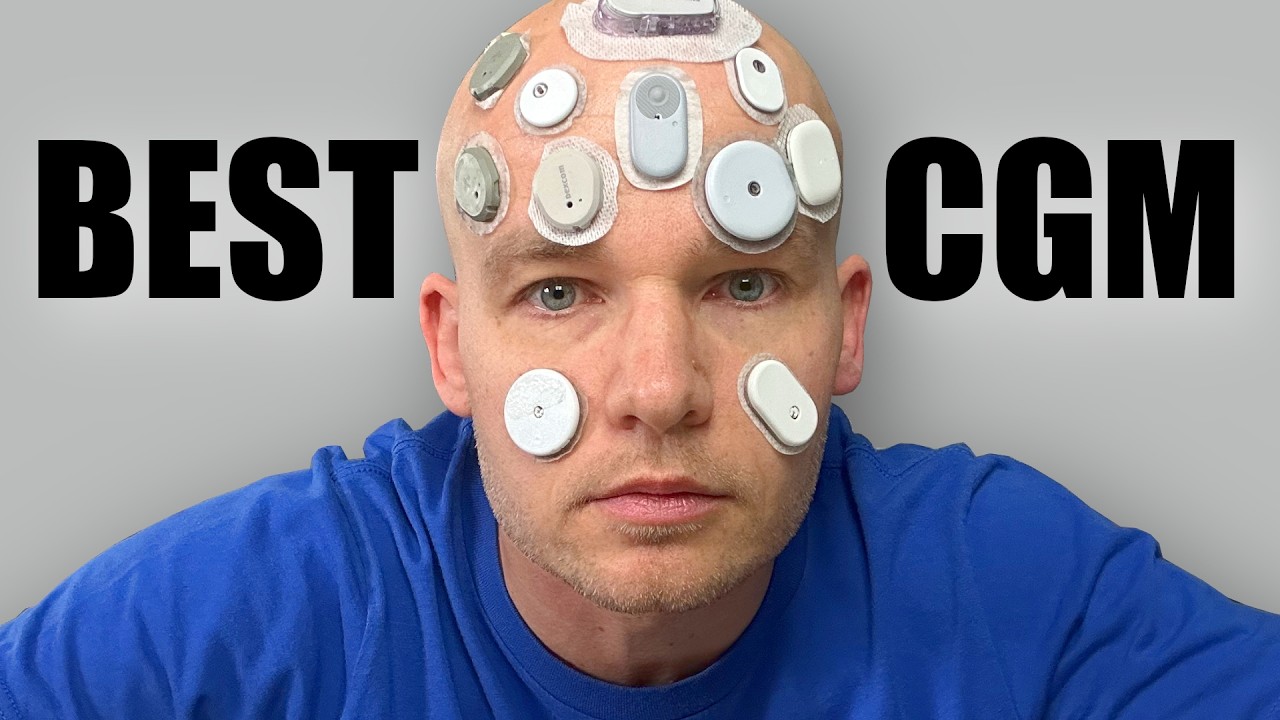
🎥 I Tested Every CGM in 2026 — Here's the Honest Comparison
Real-world testing of Dexcom G7 vs FreeStyle Libre 3. Accuracy data, cost breakdown, and which one actually fits your budget and lifestyle.
WATCH ON YOUTUBE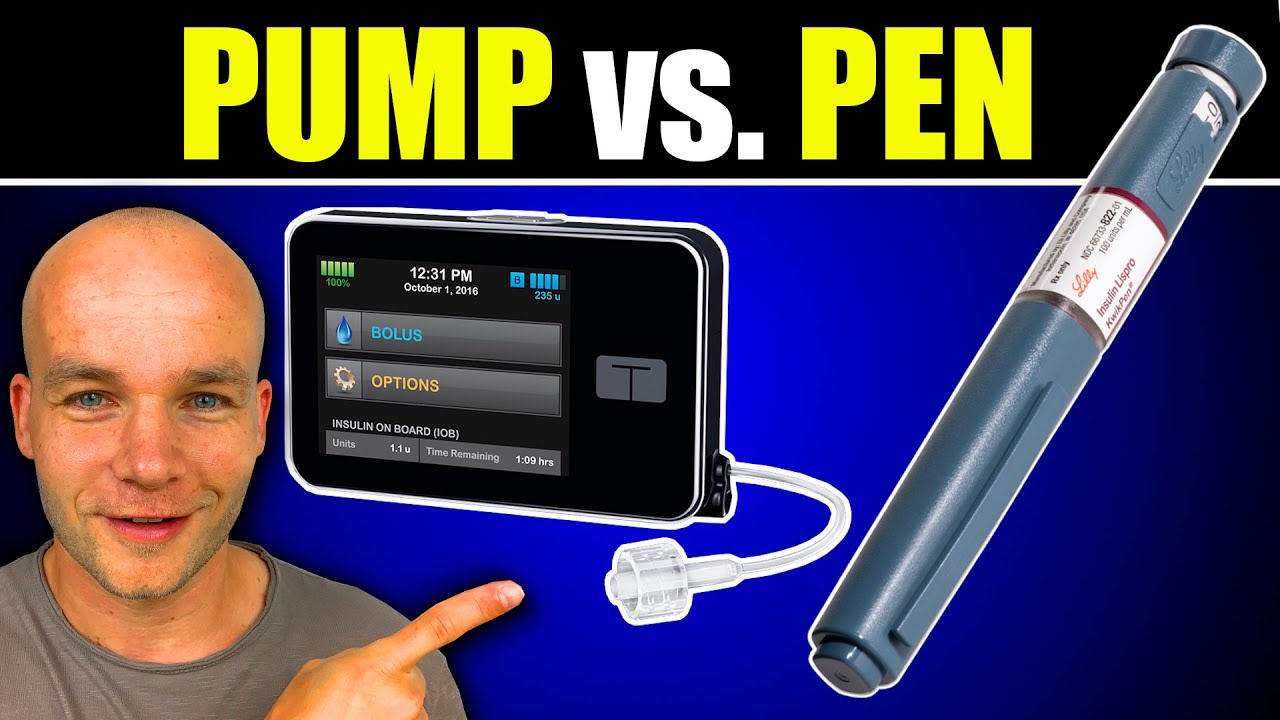
🎥 Should You Switch From MDI to Insulin Pump? 22 Years of Real Talk
The honest cost-benefit analysis. When does a pump actually save you money? When does MDI win? Real breakdown for different budgets and A1C targets.
WATCH ON YOUTUBEEmerging Tech Worth Watching (2026-2028): What Could Actually Change Global Access
The technology I described in Section 3 is impressive but expensive. The devices you can buy today still cost more than many T1D patients earn in a month. That is the real problem — and some genuinely exciting solutions are in development.
This section covers emerging technologies that could fundamentally shift the access equation. These are not science fiction. These are projects in late-stage clinical trials or early commercialization. Some could launch within 12-24 months. And some — if they work as promised — could actually lower diabetes technology costs globally.
🔬 Non-Invasive Glucose Monitoring — The Game Changer
The holy grail of diabetes technology is measuring blood glucose without a needle or implant. For decades, companies have chased this goal. In 2026, it is finally becoming real.
Roche's Non-Invasive Glucose Monitor uses optical technology to read glucose through the skin without drawing blood. Clinical trials published in 2024-2025 showed accuracy comparable to traditional CGMs. The target launch window is late 2026 or early 2027.
Why this matters: Non-invasive monitoring eliminates the cost of regular sensor replacements. If accuracy holds up in real-world use, this could cut CGM costs by 50-70% and make continuous monitoring accessible to millions more T1D patients worldwide.
Roche Non-Invasive CGM — What We Know
"If Roche's non-invasive monitor launches and works as promised, it could solve the access problem for more T1D patients than any other single innovation. No recurring cost. No needle anxiety. Continuous data for everyone. That is a game changer."
⏱️ Longer-Wear Sensors — 21-30 Days Between Changes
Current sensors last 10-14 days. The next generation is targeting 21-30 days — cutting sensor changes by 50-70%.
Next-Generation Long-Wear Sensors in Development
Why this matters: Longer wear reduces the friction of CGM use. Less frequent changes mean fewer logistical headaches and lower annual costs. For international patients, fewer shipments mean less risk of supply chain disruptions.
🤖 AI-Assisted Insulin Dosing — Automated Meal Counting
Carb counting is the biggest barrier to good diabetes control for many T1D patients. AI is starting to solve this problem.
Bigfoot Unity (which I mentioned in my insulin delivery guide) already uses AI to suggest doses based on CGM data and meal photos. The next evolution goes further.
Emerging AI Dosing Systems (2026-2028)
💡 Reality check: AI is not perfect. Restaurant meals with hidden ingredients still fool algorithms. But even 80% automation is better than 0% for people overwhelmed by manual dosing.
🔄 Closed-Loop Without Meal Announcements
Current automated insulin delivery (AID) systems like the Omnipod 5 and Medtronic 780G still require you to tell them when you are eating. Next-generation systems aim to eliminate this step entirely.
Diabeloop's DBLG2 system is already CE-marked in Europe and can adjust insulin without mandatory meal announcements. The system is learning to detect meals from glucose patterns alone.
Beta Bionics' iLet Bionic Pancreas uses a different algorithm approach and is moving through FDA trials with promising data. Check FDA breakthrough device designations for latest status.
True Meal-Agnostic Closed-Loop (Available Now or Soon)
"Imagine opening your diabetes app and it just says 'A1C: 6.8%. Eat normally. No action needed.' That is what meal-agnostic closed-loop promises. It sounds like science fiction. But it is coming."
💊 Oral Insulin — The Moonshot Everyone Watches
Insulin by mouth instead of injection. Scientists have chased this since the 1920s because insulin breaks down in your stomach acid. New formulations use protective capsules and absorption enhancers to get insulin into the bloodstream intact.
Oramed Pharmaceuticals has oral insulin candidates in clinical trials, and other companies are exploring similar approaches. The challenge: making it work as reliably as injected insulin.
⚠️ Important caveat: Oral insulin for Type 1 is much harder than for Type 2 (where you only need basal coverage). T1D requires rapid boluses with meals — delivering insulin to the bloodstream in 15 minutes from the mouth is the unsolved problem. Do not expect oral insulin for T1D before 2028 at the earliest, if at all.
⚡ Cost Impact of These Emerging Technologies
Here is the critical question: will emerging technology actually reduce global access costs? Or will it just give wealthy patients more toys?
The Access Equation: What Could Actually Change
"The technologies I am watching are not about making insulin pumps fancier. They are about making diabetes management radically simpler and cheaper. That is what global access actually needs."
🌍 What Would Actually Solve the Access Problem
After 22 years living with T1D — and now managing it completely out of pocket in Indonesia — here is what I believe would actually change global diabetes care:
Real Solutions (Beyond New Devices)
📊 My Honest Assessment of Emerging Tech (2026-2028)
I am excited about these innovations. I genuinely am. Non-invasive monitoring, AI dosing, and meal-agnostic closed-loop could revolutionize diabetes management for the people who can access them.
But I am also realistic. The people who benefit most from new technology are usually not the people who need it most. Wealthier patients in wealthy countries will get access first. The global majority will wait 5-10 years for affordability to catch up.
That is why I still believe the most powerful diabetes technology is the free one: knowledge. Understanding your body, your insulin, your response patterns — that costs nothing and works everywhere.
My Recommendation: Watch, Do Not Wait
How to Choose Diabetes Technology at Any Budget in 2026
You have now read about what I use, what exists, and what is coming. But you still have to answer the hardest question: What should I actually buy with my real money?
This section cuts through the hype and gives you a decision framework based on your actual situation — your budget, your location, your access, and your diabetes goals.
🎯 Start Here: Honest Budget Assessment
Before considering any technology upgrade, you need to know your true financial capacity. Not what you wish you had. Not what someone on Instagram has. What you can actually afford month after month without stress.
What Are You Actually Spending Right Now?
Calculate your current baseline costs:
💡 Key insight: Many T1D patients can afford a \$50-100 technology upgrade. Few can afford \$500. Almost none can afford $2,000 upfront. Know your number before you look at any device.
🌍 Decision Tree Based on Your Situation
The right technology choice depends on five factors working together: your budget, your location, your current A1C, your lifestyle, and your willingness to learn. Follow this framework to find your match.
💡 Should I Upgrade Now or Wait?
Question: Should I buy a T1D technology upgrade now or wait for emerging tech?
Answer: Buy now if: (1) Your current A1C is above 7.5% (room to improve), (2) You can afford the upgrade monthly without stress, (3) You understand your diabetes well enough to benefit from more data. Wait if: (1) You haven't optimized your current system yet, (2) The upgrade is financially stressful, (3) You're buying because someone else has it, not because you need it. Emerging technology (non-invasive monitors, AI dosing, longer-wear sensors) could launch in 2026-2027, but building your system today shouldn't wait — you can upgrade later as technology improves and becomes affordable.
Rule: Don't wait for perfect technology. Build with what works today. Upgrade when you understand what you need.
💚 Tier 1: Limited Budget ($0-50/month for tech upgrades)
Your situation: Insulin is the priority. Every dollar beyond insulin is a stretch. You live in a low-income country or have no insurance coverage.
Best choice: Master your current setup
A1C potential with this setup: 6.8-7.5% (proven possible — I lived this for years)
Timeline to results: 3-6 months if you stick to the system
💙 Tier 2: Modest Budget ($50-150/month for tech upgrades)
Your situation: You have some insurance coverage or can budget for one monthly device upgrade. You live in a country with moderate healthcare costs or have part-time income.
Best choice: Add a CGM sensor strategically
A1C potential with this setup: 6.5-7.2% (CGM periods accelerate learning)
Timeline to results: 2-3 months — CGM insights compound quickly
💛 Tier 3: Moderate Budget ($150-300/month for tech upgrades)
Your situation: You have insurance that covers most costs, or earn middle-income. You live in a country with moderate healthcare access.
Best choice: Continuous CGM + Optimize MDI
A1C potential with this setup: 6.2-6.8% (continuous data drives daily optimization)
Timeline to results: 1-2 months with continuous CGM feedback
💜 Tier 4: Premium Budget ($300+/month for tech upgrades)
Your situation: You have comprehensive insurance or significant disposable income. You live in a wealthy country with full technology access.
Best choice: Automated Insulin Delivery System
A1C potential with this setup: 6.0-6.5% (automation reduces decision fatigue significantly)
Timeline to results: 2-4 weeks (pump learning curve, but immediate data advantage)
📍 Special Considerations by Location
Your country matters. Availability, cost, and insurance coverage vary dramatically by region. Here is how to think about your specific location:
If you live in North America or Western Europe (US, Canada, UK, France, Germany, etc.)
If you live in Asia, Latin America, Middle East, or Africa
If you have government-covered insulin but no other technology
❓ Five Questions to Answer Before Buying Any Technology
Before you spend money, ask yourself these five questions. If you cannot answer "yes" to at least 3 of them, the upgrade is not worth it yet.
💡 Scoring: 5/5 = Buy it now. 4/5 = Good candidate. 3/5 = Consider it. Below 3 = Wait and optimize what you have first.
🎯 Real Examples: What Different T1D Warriors Choose
Let me show you real examples of how different people apply this framework. Names and details changed for privacy, but situations are real.
Example 1: Sarah (US, insured, new diagnosis)
Situation: Diagnosed 1 year ago. A1C 8.2%. Has good insurance. Budget available.
Framework decision: Tier 4 → Insulin pump + CGM
My advice: HOLD. Start with Tier 2 (CGM only) for 3 months first. Learn your patterns without pump automation. Then reassess if pump is needed.
Why: Too many new T1D patients jump to pumps before understanding their diabetes. CGM teaches you first. Pump automates what you already know.
Example 2: Ahmed (Egypt, government insulin covered, no other coverage)
Situation: A1C 7.8%. Government covers insulin but nothing else. Budget: $30/month max for technology.
Framework decision: Tier 1 → Master MDI fundamentals
My advice: Forget technology for 6 months. Download free apps. Buy one notebook ($1). Learn carb counting perfectly. Optimize your 4 daily injections ruthlessly.
Then: After 6 months, if you have saved $180, buy one FreeStyle Libre sensor. One. Use it for 2 weeks to discover patterns, then return to meter-only.
Why: Knowledge compounds. You will earn more from understanding your body than from any device.
Example 3: Lisa (Canada, insured, 15-year veteran)
Situation: A1C 6.5%. Using MDI + meter. Asking if she should switch to pump.
Framework decision: Tier 3 → Stay with MDI + upgrade to CGM
My advice: Your A1C is already excellent on MDI. Pump would not improve outcomes at your control level. Instead, add a CGM for real-time insights. Stay on familiar MDI delivery.
Why: Once you are under 7% A1C, the A1C improvement from switching to a pump is minimal (0.2-0.5%). But the learning curve is significant. Stick with what works.
💰 The Real Cost Comparison You Need to See
Forget the manufacturer prices. Here is what different setups actually cost YOU per year, accounting for insurance, bulk purchasing, and geographic variation:
Annual Technology Cost Reality (2026)
Notice: The cost jumps exponentially. The A1C improvement does not.
"I spent $800 on technology in a year and got A1C 6.8%. A patient with insurance spent $12,000 on a pump and CGM and got A1C 6.5%. The $11,200 difference bought 0.3% A1C improvement. That is not ROI. That is just different access."
🚦 Your Next Action: The 30-Day Challenge
Do not buy anything yet. First, prove you can optimize what you already have. This 30-day challenge costs zero dollars and determines if you are ready for upgrades.
Your 30-Day Optimization Challenge
If you see improvement (lower highs, fewer lows, more stable readings), you are ready for technology upgrades. Your next gadget will amplify what you already understand.
If you see no change despite consistent effort, the problem is not your meter or your app — it is your system. A CGM or pump will not fix that. Rebuild your fundamentals first.
📞 When to Ask Your Doctor (And What to Ask)
Technology discussions with your endocrinologist matter. Here is how to have that conversation effectively:
Talking to Your Doctor About Technology Upgrades
✅ Your Final Checklist: Before You Buy Technology
Frequently Asked Questions: Diabetes Technology 2026
A: Absolutely. I achieved A1C 6.8% using a fingerstick meter for most months. The system matters more than any single device. Master carb counting, consistent testing times, and pattern recognition with your meter first. Add a CGM later when budget allows. A disciplined T1D on MDI + meter beats a tech-heavy T1D who does not understand their diabetes.
A: Not always. If your A1C is already under 7% with MDI, a pump offers minimal additional improvement (0.2-0.5%). The learning curve is significant. If your A1C is above 8% or you struggle with carb timing, a pump or CGM offers more value. Try a CGM first — it is cheaper to test than a pump.
A: FreeStyle Libre 3 is typically cheaper than Dexcom in most countries outside North America. Cost varies dramatically by location — often cheaper to buy locally than import. Join regional T1D communities (Facebook groups, Reddit) to find the best local prices. Some countries have government coverage — check your specific healthcare system first.
A: Only if you already own one and use a CGM. A smartwatch alone cannot measure glucose — it only displays data from your CGM. If you do not have a smartwatch and do not have a CGM, skip the watch entirely. Your phone works fine for glucose alerts. Smartwatches are a convenience add-on, not a foundation tool.
A: Priority order: 1) Reliable insulin supply (MDI or pump) 2) Glucose monitoring (meter minimum, CGM if budget allows) 3) Carb counting accuracy 4) Medication reminders 5) Wearables. Start at #1 and work up. Most T1D patients should skip #5 entirely and focus on mastering #1-#4 first.
A: Yes. Roche's non-invasive optical monitor is expected to launch in late 2026 or 2027. Longer-wear sensors (21-30 days) are in development from Abbott and Dexcom. AI-assisted dosing is improving now. But these innovations will be expensive at launch. Expect 5-10 years before they reach global markets at affordable prices. Build your system with current technology — be ready to upgrade as costs drop.
A: Master MDI + meter + carb counting first. Knowledge translates everywhere. These skills work in any country with any insulin. Once you prove you can optimize basic management, add devices strategically. Many developing countries have local suppliers of FreeStyle Libre at lower cost than Dexcom — research your specific market. Online T1D communities are invaluable for finding local resources.
A: Review annually. Ask yourself: Is this technology solving a real problem for me? Am I using it consistently? Could I get better results by switching? Do not upgrade just because new features exist. If your current system works, stick with it. Technology should serve your life, not complicate it.
A: No. A Dexcom G7 costs $300+ monthly in the US with insurance; in many developing countries, you pay cash with no subsidy. This access gap is a global health equity crisis. The solutions are political (insulin price controls, manufacturing access) not technological. Technology companies can help by creating affordable versions for low-income markets, but until that happens, educated users on basic tools will outperform tech-dependent users in expensive systems.
A: 1) Get insulin (MDI is fine). 2) Get a glucose meter and strips. 3) Learn carb counting obsessively. 4) Build a daily routine (same testing times every day). 5) Keep a written log or use a free app (MySugr free). Do this perfectly for 3 months before adding any other technology. Most new T1D patients jump to expensive devices before understanding the basics. Knowledge first, devices second.
Your Next Step: Build Your Technology Strategy
📋 This Week: Assess Your Current Setup
1. List what you currently use: Insulin type, glucose monitoring method, apps, supplements
2. Identify your biggest barrier: Is it data accuracy? Consistency? Carb counting? Safety? Device cost?
3. Ask yourself one question: "Will upgrading this technology actually solve my problem, or will it just add complexity?"
📊 Next Month: Test One New Tool
Pick ONE technology from this guide that addresses your biggest barrier. Test it for 30 days. Measure the result (better A1C? Better consistency? Fewer lows?). Only keep it if it measurably improves your life.
Remember This Truth
The most powerful diabetes technology you own is between your ears. Knowledge about how YOUR body responds to YOUR insulin, YOUR food, and YOUR routine beats any device, any algorithm, and any pump.
Technology amplifies knowledge. It does not replace it.
📚 Your Complete Guide Balance Technology Journey
The foundation — my complete transformation story and 5-layer system
Detailed CGM comparison with real testing data and cost analysis
Evidence-based supplements that support any technology level
47 apps tested — the complete app stack for T1D management
Build your custom management system regardless of technology access
🔐 Content Credibility: Why You Can Trust This Guide
Lived Experience (22 Years): This guide is based on continuous Type 1 Diabetes management from 2004-2026 across two different healthcare systems — one with government coverage (Europe) and one completely out-of-pocket (Indonesia). Not theoretical knowledge — real daily lived experience.
Personal Testing Data: All device comparisons (CGM, insulin pumps, smartwatches, apps) reflect actual testing periods with documented results. The author has personally tested Dexcom G7, FreeStyle Libre 3, and multiple diabetes apps. Devices not personally tested are clearly labeled as "based on manufacturer data and clinical research."
Verified A1C Results: The A1C transformation from 9.2% to 6.8% is documented through quarterly medical lab tests. Current A1C maintained at 6.8-6.9% consistently with the system described.
Medical Accuracy: This guide aligns with 2026 ADA Standards of Care for Type 1 Diabetes. All device specifications sourced from FDA/CE-Mark databases and peer-reviewed clinical research (linked throughout).
Transparency Standard: Clear distinction between personal experience ("I tested this") and research-based information ("clinical studies show"). Medical disclaimers included. No sponsored content or manufacturer partnerships.
Update Commitment: This article is reviewed quarterly (March, June, September, December) to reflect current device availability, pricing, and emerging technologies in 2026-2027.
The most powerful diabetes technology you own is between your ears.
Knowledge about how YOUR body responds to YOUR insulin, YOUR food, and YOUR routine beats any device, any algorithm, and any pump.
Now take action: Use Section 5's framework to find your technology tier, complete the 30-day challenge, and build your custom system. You've got this.
📚 Trusted Sources and Clinical Data
This guide combines personal lived experience with data from these established medical sources:
Official clinical guidelines regarding automated insulin delivery, CGMs, and MDI optimization.
Global data on diabetes prevalence, healthcare access gaps, and technology distribution.
Clinical overview of expected A1C improvements (1.0-1.3%) and psychological impacts of AID systems.
Peer-reviewed research detailing the reduction of decision fatigue using hybrid closed-loop technology.
⚕️ Medical Disclaimer: This article is based on 22 years of personal experience with Type 1 Diabetes and published clinical research. It is educational only and does not constitute medical advice. Diabetes technology, pricing, and availability change frequently. Always consult your healthcare provider before making changes to your diabetes management. Device specifications, costs, and features in this article reflect information current as of March 2026.
📍 Geographic Note: Pricing, insurance coverage, and technology availability vary dramatically by country. This guide covers primarily North American and Western European markets, with notes on international access. Your specific country or region may have different options, costs, and regulations. Research your local market for current information.
🔗 External Link Disclosure: External links use rel="nofollow" and are provided purely as educational resources. No affiliate relationships, sponsorships, or financial interests in any linked companies or products. All app reviews and device comparisons are based on personal testing and published data, not manufacturer partnerships.


💬 Your Thoughts Matter!
Did this help? Have a question about your T1D journey? Share your comment below! Real conversations make Guide Balance better for everyone.